Petition can be admitted against maintenance company of developer: NCLAT

Section 5(8)(f) Explanation makes it clear that any amount raised from an allottee under a real estate project shall be deemed to be an amount having the commercial effect of a borrowing.

A Deficiency can be correct in Appeal: NCLAT

NCLAT said that if there was deficiency in pleading, the same could be corrected by giving opportunity before this Appellate Tribunal to amend the pleadings. In Appeal naturally pleadings could be by filing Application and reply supported by documents.

AA should exercise discretion to protect CD from CIRP : NCLAT

If the Application filed under Section 7 meets all the requirements, then also the Adjudicating Authority has to exercise discretion carefully to prevent and protect the Corporate Debtor from being dragged into the Corporate Insolvency Resolution Process mala fide.

What constitutes a “Dispute” under the IBC as per the Supreme Court?

The Supreme Court clarified the code’s object while keeping legislative intent in mind. The court, through this judgement, has struck a balance between creditors’ rights and debtor companies’ remedies.

NCLAT explains essential criteria of Financial Creditor

In the present case, the NCLAT held that the Appellants were acting as investors, the money they gave to the Respondents was in the nature of a loan, satisfying the condition of amount “disbursed against consideration for time value of money,” and the committed returns were in the nature of “interest.”

What does the Supreme Court say on the application of the Limitation Act to NCLT proceedings?

Since the Limitation Act is applicable to applications filed under Sections 7 and 9 of the Code from the inception of the Code, Article 137 of the Limitation Act gets attracted. “The right to sue”, therefore, accrues when a default occurs.

Allotees are Financial Creditors : Supreme Court

Under Section 7 of the IBC, this amendment allowed the home buyer to initiate insolvency proceedings against defaulting Promoters. However, the Insolvency Amendment 2018 was challenged in the Supreme Court of India by approximately 200 realtors.

Binding Nature of Resolution Plan (IBC)

The NCLAT, in its Order dated 23.04.2019, ruled that GMSPL’s (Ghanshyam Mishra and Sons Pvt. Ltd.) Resolution Plan is better compared to the other Applicants. However, NCLAT noted that the parties’ claims that are not covered in the Resolution Plan may be raised before the relevant forums.

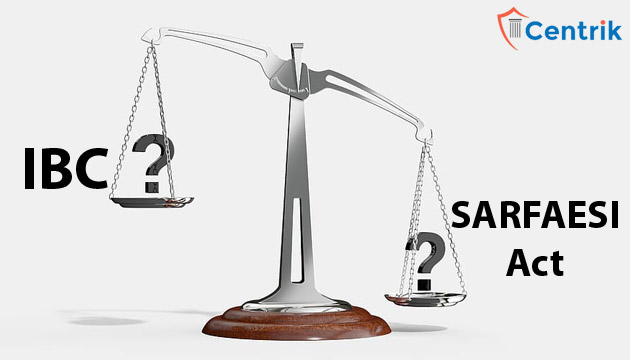
Prevalence of IBC over the SARFAESI Act

The Adjudicating Authorities have affirmed the IBC’s goals through a series of judgments and further proved its prevalence over the other laws of land.

Supreme Court: Personal Guarantor Liable for Loans under IBC

The Supreme Court of India has cleared the way for lenders to file insolvency proceedings against personal guarantors of stressed companies, who are typically promoters.

Gujarat High Court on banks’ statutory right to initiate Proceedings against Loan Defaulters

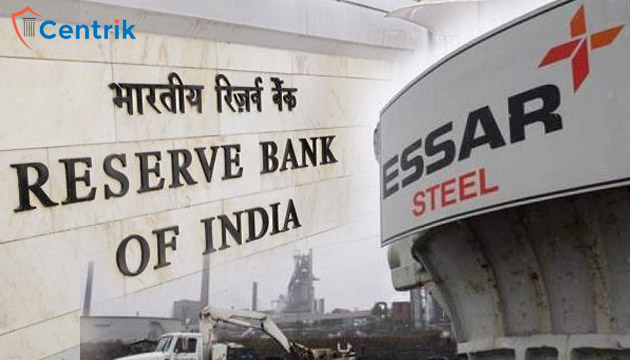
Gujarat High Court dismissed Essar Steel’s petition and refused to grant any of the reliefs sought by Essar Steel. The Gujarat High Court moved quickly and efficiently, and the order was issued within 10 working days of Essar Steel’s filing of the case.

How is Interim Resolution Professional Appointed under IBC

The resolution professional, as proposed respectively in the application under section 7 or section 10 of IBC, shall be appointed as the interim resolution professional under Section 16(2) of IBC, if no disciplinary proceedings are pending against him.

Submissions of claims by homebuyers under IBC

Creditors who fails to the submit the claims with proof within 14 days can submit their claims within 90 days from the Insolvency Commencement date as per the amendment of Regulation 12(2).

How is public announcement made?

An insolvency professional shall make a public announcement immediately on his appointment as an interim resolution professional and that the word ‘immediately’ means not later than three days from the date of his appointment.

Can homebuyers approach the Supreme Court under Article 32 against developers?

The Hon’ble Supreme Court in its latest judgement dated February, 11 2021 declared that the proceedings under Article 32 of the Constitution by a purchaser, seeking relief in respect to a real estate project cannot be entertained.