Promoters and Shareholders Promoters are not Creditors under IBC
The shareholders and promoters are not the creditors and thereby the resolution plan cannot balance the maximization of the value of assets of the corporate debtor

The shareholders and promoters are not the creditors and thereby the resolution plan cannot balance the maximization of the value of assets of the corporate debtor
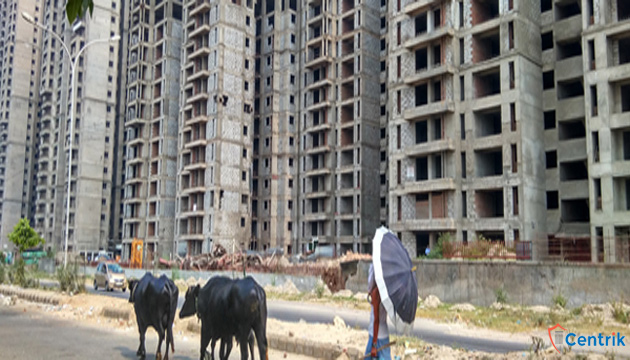
Aggrieved homebuyers from the Piyush colonizer esteemed developer in the past started a housing project in the City of Faridabad, approached the HRERA bench stating their grievance.
Homebuyers to file the claim under IBC rather than adopting a way which is not legally realistic wherein the insolvency orders are passed against the builder’s company.
Homebuyers who have been assured of committed returns from the developer could trigger IBC as a financial creditor under section 7 whereas all the homebuyers have been granted the right to represent themselves as a participant of the committee of creditors.
Any aggrieved person can take a legal action against the Insolvency Professional who contravenes any of the provisions of the Code or violates or deviates from the professional duty entrusted upon him/her.
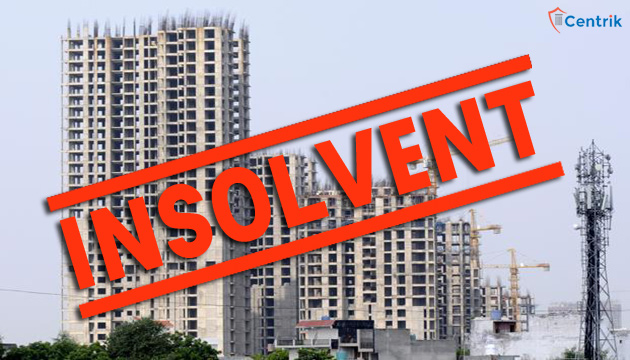
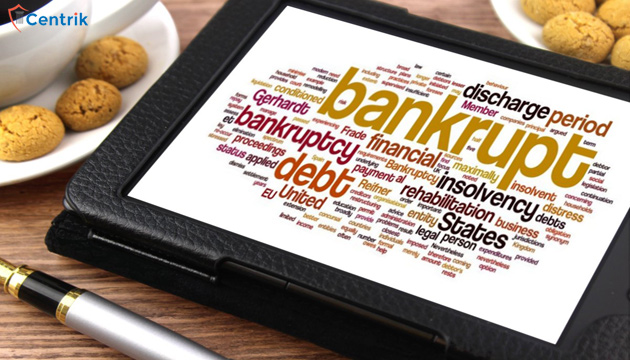
Insolvency is just the state where the financial inability is reached whereas the bankruptcy is the realization and announcement of that the state of being insolvent.
An application under section 7 filed by the Operational Creditor is barred due to pending Arbitration Proceedings as the on-going arbitration proceedings signifies the pre-existence of dispute
The insolvency and bankruptcy code, 2016 has seen many ups and downs since the enactment but out of all the most long and debatable topic or issue concerning law was pertaining to the rights of Home buyers/Allottee under the code.
The code is not applicable to corporates in finance sector. Thus no petition shall be entertained by NCLT filed against Banks, Financial Institutions, Insurance Company, Asset Reconstruction Company, Asset Reconstruction Company, Mutual Funds, Collective Investment Schemes or Pension Funds.
When the corporate debtor starts making default in the payment of the amount to its creditors and it goes on for some time, subsequently that corporate debtor/company is deemed as insolvent.
The IBC (Amendment) Bill 2017 was passed by the Lok Sabha to form the base for covering loopholes in prevailing code and to increase the effectiveness of the resolution.
Reserve Bank of India Governor Urjit Patel put his signature to a historic order for recovering over Rs 3 lakh crore from the top 12 defaulters, just 10% is in banks
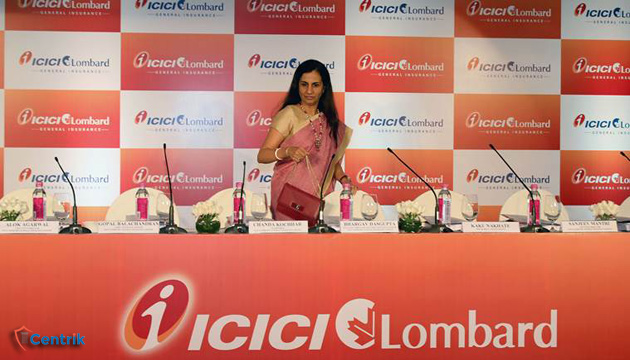
Nirav Modi scam and the ICICI Bank controversy were amongst the top notch cases that the NCLT is dealing with and Government is taking keen interest in resolving these issues.
Reserve Bank of India’s (RBI’s) controversial February 12 circular that bankruptcy proceedings will kick in 180 days.
According to the terms of loan resolution in the Insolvency and Bankruptcy Code, the first preference on recovery is to secured financial creditors, followed by unsecured financial creditors, and then operational creditors.



 join For Updates