
Asset attachment by the Enforcement Directorate (ED) under the Prevention of Money Laundering Act (PMLA) is critical in combating money laundering and criminal activities.
Proposed Amendments in a circular issued on 18.01.2023, the Ministry of Corporate Affairs has proposed numerous changes in IBC.

The claims filed/to be submitted by the workers of the appellant must be decided upon and taken into consideration by the Liquidator even if RP has not submitted the claims towards the wages/salaries as part of CIRP costs.
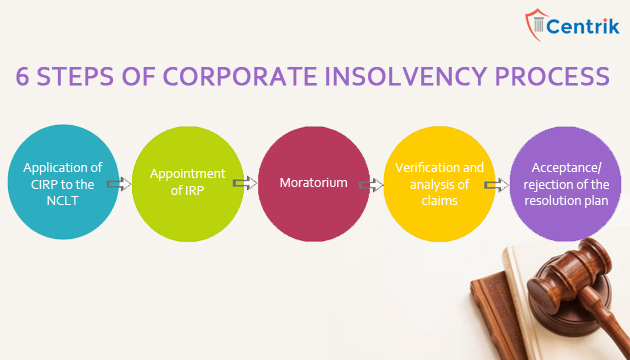
CIRP is a process to determine the capability of repayment of the defaulted corporate. For this purpose, IRPs are appointed. They evaluate the assets and liabilities to determine the capability of repayment.
Insolvency and Bankruptcy Board of India (IBBI) mentioned the assignment of not readily realisable assets (NRRA) in the discussion paper on Corporate Liquidation Process dated 26 August 2020.

The rationale of the Ordinance is certainly to ensure that Insolvency and Bankruptcy Code, 2016 lives up to its preamble that is – maximization of value of assets. The newly inserted Section 10A certainly brings about a balance of interest between creditors and debtors.

How can a corporate person file for insolvency? the insolvency process for section 10 application, the fees, documents required and other details required to file such an insolvency petition.

The Adjudicating Authority may allow the withdrawal of application admitted under section 7 or section 9 or section 10 on an application made by the applicant.

Liquidation of corporate person is considered to be the last resort in order to recover money. When all the plan of resolution have failed and no other way could be adopted then dissolution of company is done.
In this article we will discuss about the insolvency process by an Operational Creditor and extensively cover the entire topic in the most precise manner.
This article discusses about the main components of this Code which forms the base of this very legislation.
Steps taken by the resolution professional (RP) for Alok Industries to recover trade outstanding to the tune of Rs 11,622 crore from 5,293 debtors

Steps that can be initiated by corporate creditors against their debtors in case of default and when the debtor refuses to accept the notice and come to a settlement.
In this article we will discuss about the fast track method of filing an application under corporate insolvency resolution process.
In this article we have discussed about how an Operational creditor can file an application for initiation of Corporate Insolvency Process against it debtors.

 join For Updates